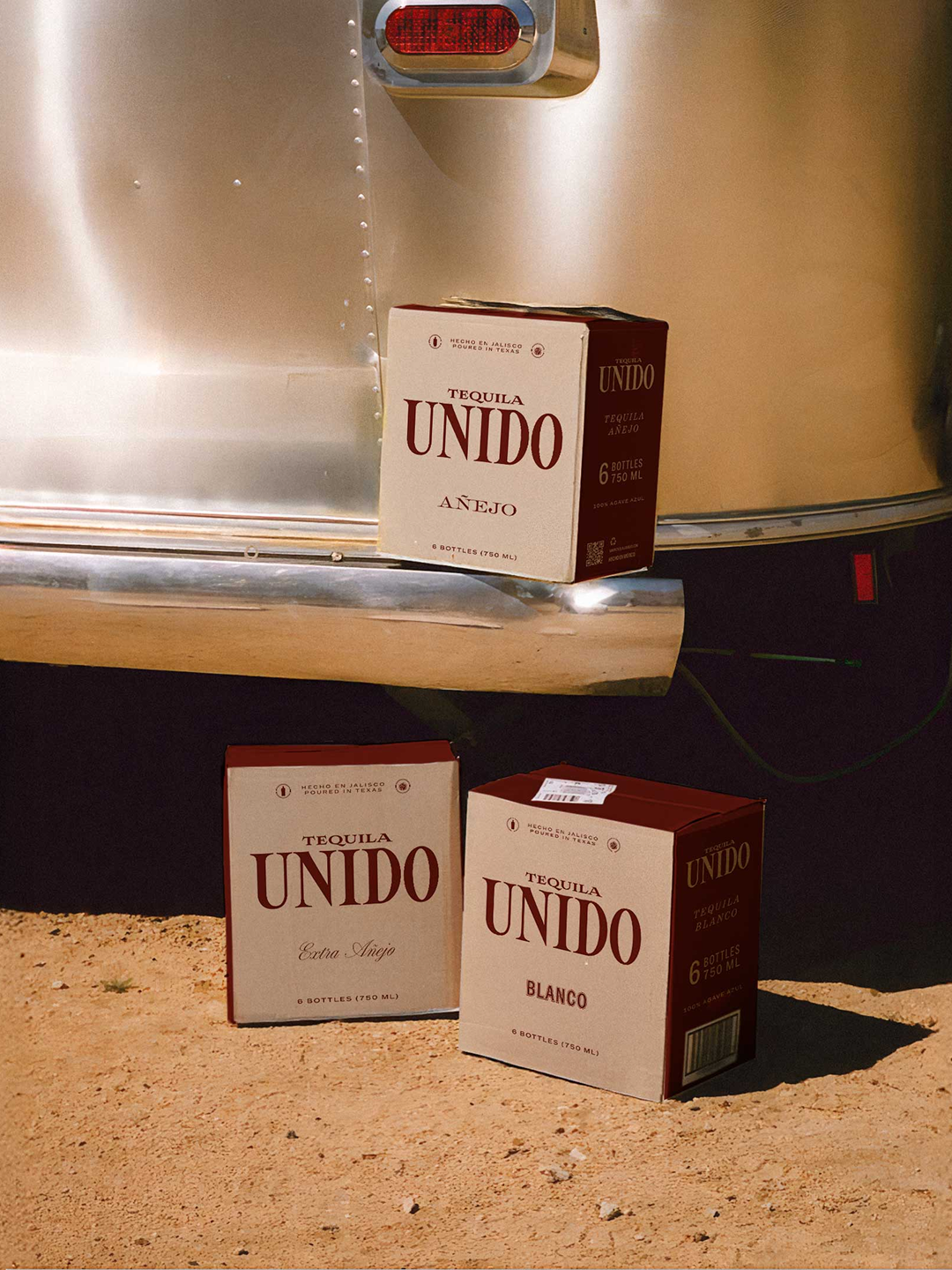
Art Direction vs Graphic Design: Why the Distinction Matters for Your Brand
Branding
MAR 2026
Here's a question that reveals a lot about how a company thinks about its brand: who's making the creative decisions?
In most companies, the answer is "the designer." A task comes in (social post, pitch deck slide, email header), a designer makes something that looks good, someone approves it, it goes out. Repeat daily.
That workflow produces individual assets. It doesn't produce a brand. Because no one is making the higher-order decisions: What should this brand feel like? What's the visual point of view? What do we say yes to and, more importantly, what do we say no to?
That's art direction. And the absence of it is why so many brands look inconsistent, generic, or like a mood board that never got edited.
The distinction
Graphic design is the craft of visual communication. Layout, typography, color, composition, hierarchy. A graphic designer takes a brief and creates a solution that communicates a message effectively. It's a skill, and a critical one.
Art direction is the strategic decision-making that governs how all of the design works together. It's the point of view that makes a brand feel like a brand rather than a collection of assets made by different people on different days.
An art director decides what the brand looks like before any individual piece gets designed. They set the visual tone, define the rules, choose the references, and make the calls that keep everything coherent. A graphic designer executes within that framework.
The simplest way to think about it: graphic design is the making. Art direction is the thinking that precedes and governs the making.
Why most brands have design but not direction
It's easy to hire a designer. It's harder to hire (or develop) a visual point of view.
Most startups and mid-market companies have designers, either in-house or freelance, who can execute individual assets competently. What they lack is someone who has defined the visual system those assets should live within.
The result is a brand that looks different depending on who made the last thing:
- The website has one visual language (clean, minimal, lots of white space) - The social media has another (bold colors, trendy typography, different every week) - The pitch deck has a third (clip art energy, no grid, fifteen fonts) - The packaging has a fourth (designed by a vendor who never saw the brand guidelines)
Each piece might be individually well-designed. Together, they look like four different brands. That's a design problem caused by a direction gap.
What art direction actually controls
Art direction isn't just "picking the aesthetic." It's a set of strategic decisions that govern the entire visual experience of the brand.
Photography direction. Not just "we use photography." What kind? What subjects, what lighting, what mood, what composition? Studio or environmental? People or product? Warm or clinical? Shot from above or at eye level? The difference between a brand that feels intentional and one that feels like a stock photo library is photography direction.
Typography decisions. Not just "we use Helvetica." How is it used? What size relationships create hierarchy? How tight is the tracking on headlines? How generous is the line height on body copy? What typeface pairs with it for contrast? Typography direction is what makes type feel like the brand, not just readable text.
Color behavior. Not just "our colors are blue and white." How much blue? Where does it appear? What's the ratio of color to white space? When does the palette expand (campaigns, seasonal moments) and when does it contract (formal communications, legal documents)? Color behavior rules prevent the brand from looking like a different company every quarter.
Layout principles. How much white space is non-negotiable? Is the grid tight or loose? Where do images sit relative to text? How dense is the information per page? These decisions create the spatial feel of the brand, the sense of generosity, restraint, energy, or calm.
Visual editing. This is the most important and least discussed function of art direction: saying no. Not every idea, every style, every trend belongs in the brand. The art director is the filter. They protect the brand from dilution by rejecting the things that don't fit, even if they're individually attractive.
What happens without art direction
Visual drift. The brand slowly loses coherence as different designers make different choices over time. No single piece looks bad, but the cumulative effect is a brand that doesn't feel like anything specific.
Trend-chasing. Without a defined point of view, every new design task becomes an opportunity to try whatever's trending. The brand follows fashion instead of building equity. Glassmorphism one quarter, brutalist typography the next, soft gradients after that.
Inconsistency at scale. The more people who touch the brand (internal designers, freelancers, vendors, partners), the faster it fragments. Without direction to guide them, each person brings their own aesthetic sensibility. The brand becomes a collage.
Creative mediocrity. Paradoxically, the absence of creative constraints often leads to less creative work, not more. When anything is possible, nothing feels intentional. Art direction provides the constraints that force interesting solutions.
How to build art direction into your brand
If you're building a brand from scratch
Build it into the identity phase. The brand guidelines should include not just logos, colors, and fonts, but an art direction section that covers photography direction with reference images and do/don't examples, typography usage with real-world examples at multiple scales, layout principles showing spatial relationships and grid usage, color application rules showing ratios and combinations, and a curated "brand world" that visualizes the overall aesthetic territory.
This is what separates a basic brand guidelines PDF from a real creative system. The guidelines should be specific enough that two different designers could execute work for the brand independently and produce results that feel like they came from the same mind.
If you already have a brand but no direction
Commission an art direction framework as a standalone project. An experienced creative director or branding agency can audit your existing materials, define the visual point of view, and produce a creative direction guide that sits alongside your brand guidelines.
This is often the highest-ROI investment a growing brand can make. It doesn't require redesigning the identity. It requires defining how the identity should be used with intention.
If you're working with multiple creative partners
The art direction framework becomes the brief for everyone. Freelance designers, web developers, video editors, social media managers, photographers, even interior designers for physical spaces. Everyone works from the same visual point of view. The brand stays coherent regardless of who's executing.
Art direction is what makes a brand feel inevitable
The brands that feel "right" aren't the ones with the best logo or the trendiest typeface. They're the ones where every visual decision feels like it could only belong to that brand. The photography, the spacing, the color ratios, the way text sits on a page. It all feels governed by a singular point of view.
That's art direction. And it's the difference between a brand that looks designed and a brand that feels directed.
At Atla, creative direction is embedded in every engagement, not an add-on. If your brand has the assets but lacks the point of view, [that's a conversation worth having](/contact).
Source:
Atla Journal
Author:
José Pablo Domínguez
Other news
Keep reading through related journal pieces, or jump into the broader archive to see how strategy, identity, digital craft, and category-specific thinking connect across the studio's writing.
Branding
What Is a Branding Agency? (And How It's Different From a Design Studio, Marketing Agency, or Freelancer)
Not every company that makes logos is a branding agency. Here's what the term actually means, the different types, and how to know which one fits your situation.
Mar 2026
Branding
What Does a Branding Agency Actually Do?
Branding agencies do a lot more than design logos. Here's what the work actually looks like, what you get at the end, and how it connects to business outcomes.
Mar 2026
Branding
Hospitality Branding in 2026: What Hotels, Restaurants, and F&B Brands Get Wrong
Hospitality brands don't sell products. They sell how a place makes you feel. That changes everything about how the brand should be built.
Mar 2026